
The Rwanda Genocide Explained: A Complete History Guide for Travelers Visiting Rwanda
Introduction
Rwanda is one of the most remarkable travel destinations in East Africa. It is a country famous for its misty volcanoes, its endangered mountain gorillas, its spotless capital city of Kigali, and its almost unbelievable transformation from tragedy to stability in just three decades. But no visit to Rwanda is complete without understanding the events of 1994, when the country experienced one of the darkest chapters in modern human history: the Rwanda Genocide.
At Xtreme Republic, we believe that meaningful travel goes beyond scenic photos and checklist attractions. Understanding a nation's history, especially one as significant as Rwanda's, adds depth and respect to your journey. This guide answers the most searched questions about the Rwanda Genocide, walks through what actually happened, and explains how travelers today can visit memorial sites respectfully as part of a Rwanda safari or gorilla trekking itinerary.
What Was the Rwanda Genocide?
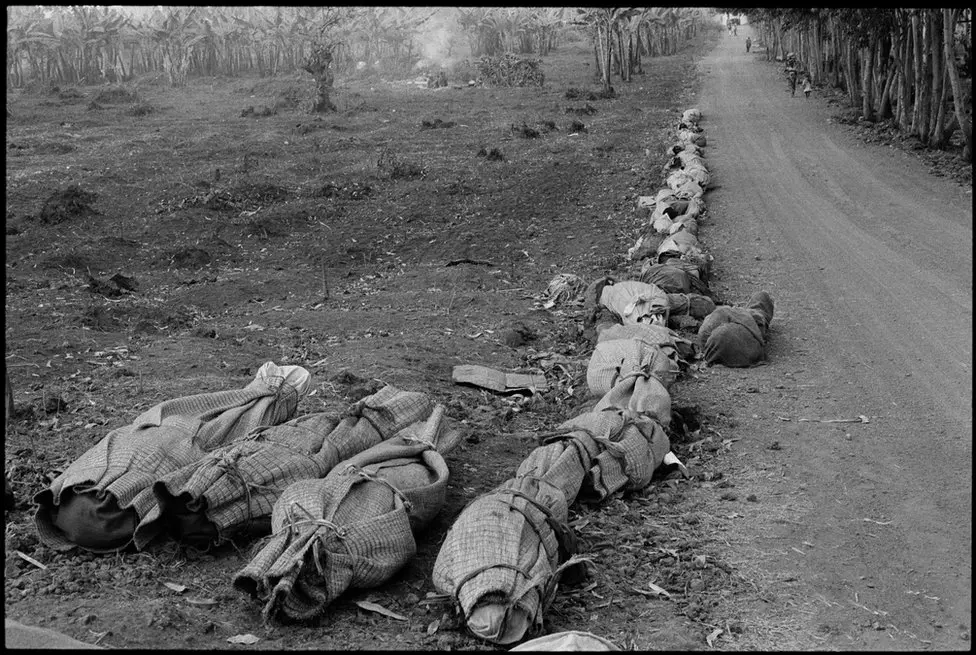
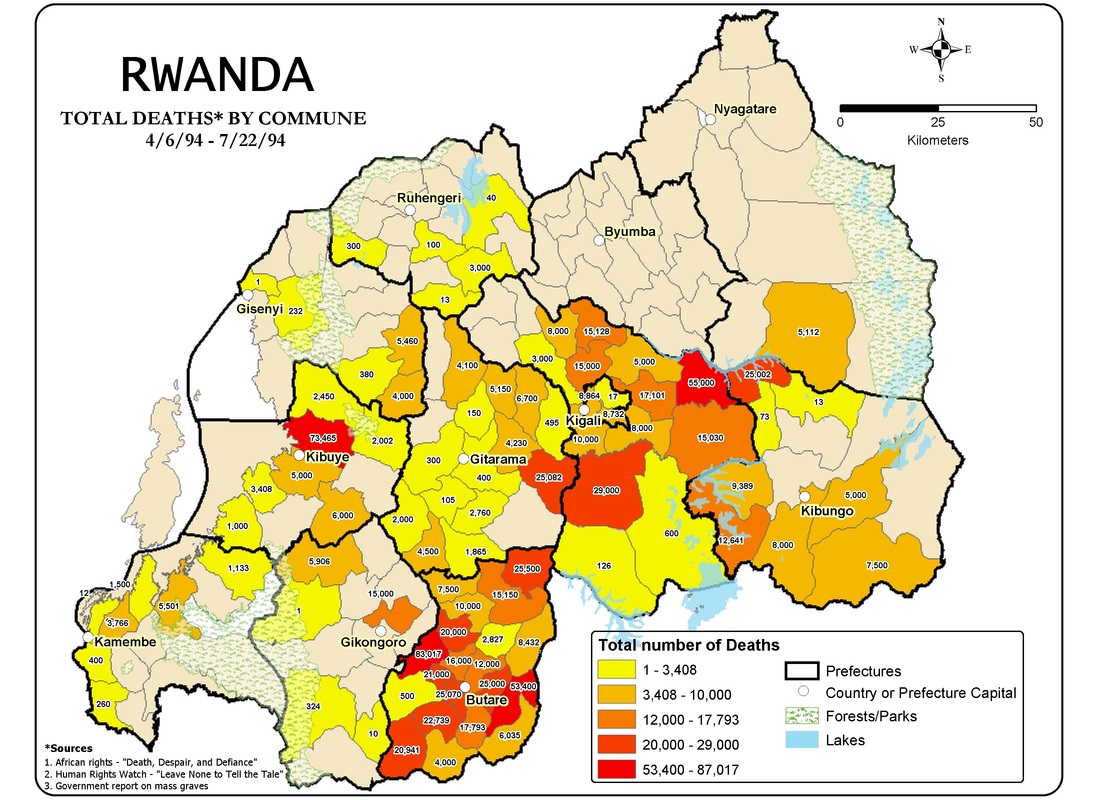
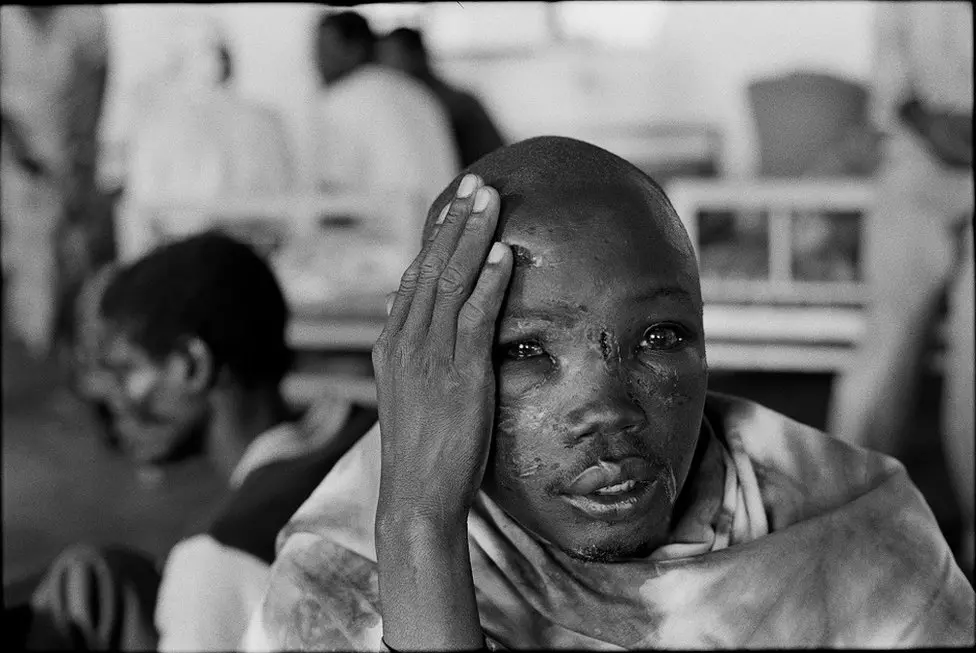
The Rwanda Genocide was a mass slaughter of the Tutsi ethnic group, along with moderate Hutu and Twa individuals who opposed the killings, carried out by extremist Hutu militias between April and July 1994. Over the course of roughly one hundred days, an estimated eight hundred thousand to one million people were murdered. It remains one of the fastest and most intensive genocides ever recorded, with victims killed at a rate that in some estimates exceeded that of the Holocaust in terms of daily death toll.
The genocide was not a spontaneous eruption of ethnic hatred. It was a planned, organized campaign carried out by government officials, military leaders, and civilian militia groups known as the Interahamwe. Radio broadcasts, propaganda newspapers, and pre distributed weapons all played a role in preparing and executing the killings.
The Roots of the Conflict: Hutu, Tutsi, and Colonial History
To understand why the genocide happened, it helps to look back at Rwanda's colonial past. Before European colonization, Hutu and Tutsi were social and economic categories within the same Rwandan society, sharing a common language, religion, and culture. The distinctions were fluid and often tied to cattle ownership and social status rather than fixed ethnicity.
When Belgium took control of Rwanda after World War One, colonial administrators introduced identity cards that formally classified every Rwandan as Hutu, Tutsi, or Twa. Belgian authorities favored the Tutsi minority, granting them preferential access to education, government positions, and economic opportunities. This colonial policy hardened the previously fluid social categories into rigid ethnic identities and planted deep resentment among the Hutu majority.
When Rwanda gained independence in 1962, power shifted to the Hutu majority, and decades of periodic violence and discrimination against Tutsis followed. Many Tutsis fled into exile in neighboring countries such as Uganda. It was from this exiled community that the Rwandan Patriotic Front, a rebel group, eventually formed and later invaded Rwanda in 1990, sparking a civil war that set the stage for the events of 1994.
The Assassination That Triggered the Genocide
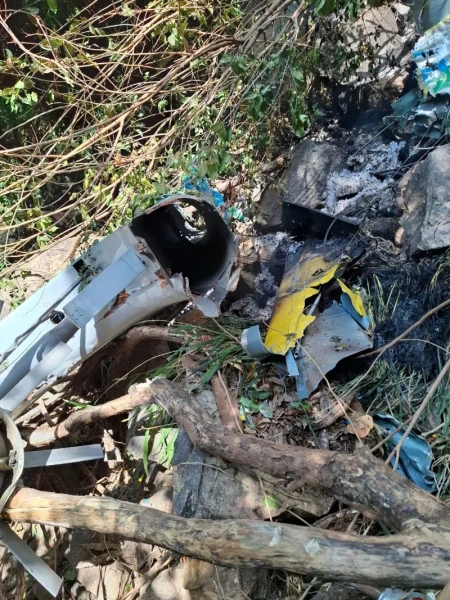
On April 6, 1994, a plane carrying Rwandan President Juvenal Habyarimana, a Hutu, and Burundian President Cyprien Ntaryamira was shot down as it approached Kigali airport. Both presidents were killed. To this day, responsibility for the attack remains disputed, with some blaming Hutu extremists seeking a pretext for genocide and others pointing to the Rwandan Patriotic Front.
Within hours of the plane crash, roadblocks appeared across Kigali. Lists of Tutsi and moderate Hutu political figures had already been prepared in advance. The killings began almost immediately and spread with terrifying speed across the entire country.
Timeline of the Genocide
April 1994: The genocide begins in Kigali and quickly spreads nationwide. Moderate Hutu politicians, including Prime Minister Agathe Uwilingiyimana, are among the first victims. Radio Television Libre des Mille Collines, an extremist radio station, broadcasts hate propaganda and directs killers toward hiding victims.
April to May 1994: Mass killings occur at churches, schools, and stadiums where Tutsis had gathered seeking safety, believing these would be protected spaces. Instead, these locations became sites of horrific massacres. Thousands were killed in single incidents at places such as the Nyamata and Ntarama churches, and at the technical school in Murambi.
May to June 1994: The international community largely fails to intervene. The United Nations peacekeeping mission in Rwanda, already understaffed, has its numbers reduced rather than reinforced. France, Belgium, and the United States are later widely criticized for their inaction during this period.
July 1994: The Rwandan Patriotic Front, led by Paul Kagame, gains military control of the country and ends the genocide. Millions of Hutus, fearing reprisals, flee into neighboring Zaire, now the Democratic Republic of Congo, creating a massive refugee crisis that would fuel further regional conflict for years afterward.
How Many People Died in the Rwanda Genocide?
Estimates of the death toll vary by source, but most historians and the Rwandan government cite a figure of approximately eight hundred thousand to one million people killed, the vast majority of them Tutsi. Some estimates suggest that up to seventy percent of the entire Tutsi population living in Rwanda at the time was murdered. Beyond the deaths, hundreds of thousands of women were subjected to sexual violence, and millions of Rwandans were displaced from their homes.
Why Did the International Community Not Intervene?
This is one of the most frequently asked questions about the genocide. Several factors contributed to the failure of global powers to act:
The United Nations Security Council, still shaped by the trauma of the failed 1993 intervention in Somalia, was reluctant to commit troops to another African conflict. General Romeo Dallaire, the Canadian commander of the UN peacekeeping force in Rwanda, repeatedly warned his superiors that a genocide was being planned, but his requests for reinforcement and a stronger mandate were denied. Western governments, including the United States, avoided using the word genocide publicly for weeks, since acknowledging genocide would have triggered legal obligations under the 1948 Genocide Convention to intervene. This diplomatic hesitation has since been widely condemned as a catastrophic moral failure, and it remains a central case study in discussions of humanitarian intervention and international responsibility.
How Did the Genocide End?
The genocide ended in July 1994 when the Rwandan Patriotic Front, a rebel army composed largely of Tutsi exiles, captured Kigali and defeated the government forces responsible for the killings. Paul Kagame, who led the Rwandan Patriotic Front, later became Rwanda's president and remains in that position today. The end of the genocide did not mean the end of suffering, as millions of refugees crossed into neighboring countries under desperate conditions, and instability in the region continued for years.
Justice and Reconciliation After the Genocide
Rwanda faced an enormous challenge after 1994: how to prosecute hundreds of thousands of perpetrators while rebuilding a shattered nation. Two major justice systems addressed this challenge.
The International Criminal Tribunal for Rwanda, established by the United Nations and based in Arusha, Tanzania, prosecuted senior leaders and organizers of the genocide. It secured convictions against numerous high ranking officials and helped establish important legal precedents, including recognizing rape as an act of genocide.
At the community level, Rwanda revived a traditional justice system known as Gacaca courts. These local, community based tribunals processed nearly two million cases between 2001 and 2012, allowing communities to confront perpetrators, hear confessions, and pursue reconciliation on a scale that formal courts could never have managed alone.
Rwanda also officially abolished the ethnic classifications of Hutu, Tutsi, and Twa on national identity documents, promoting a unified Rwandan national identity as part of its long term reconciliation strategy.
Rwanda Today: From Tragedy to Transformation
For travelers considering a visit, one of the most common questions is simple: is Rwanda safe to visit today? The answer is a resounding yes. Rwanda has undergone one of the most remarkable national transformations of the twenty first century. Kigali is now consistently ranked among the cleanest and safest capital cities in Africa. The country has invested heavily in infrastructure, technology, conservation, and tourism, positioning itself as a model for post conflict recovery.
Rwanda's tourism sector, particularly gorilla trekking in Volcanoes National Park, has become a major economic driver and a point of national pride. Visitors today can explore vibrant markets, world class museums, thriving coffee culture, and pristine national parks, all while learning about the nation's painful past in a way that honors the memory of victims and celebrates the resilience of survivors.
Genocide Memorial Sites Every Traveler Should Know
Visiting a memorial site is one of the most powerful and educational experiences available to travelers in Rwanda. These sites are treated with deep respect and offer visitors an unfiltered understanding of what occurred.
Kigali Genocide Memorial: Located in the Gisozi neighborhood of Kigali, this is the final resting place for more than two hundred and fifty thousand victims. The site includes an extensive museum with survivor testimonies, historical exhibits, and a dedicated children's memorial. Most travelers begin their historical education of Rwanda here before continuing to other regions of the country.
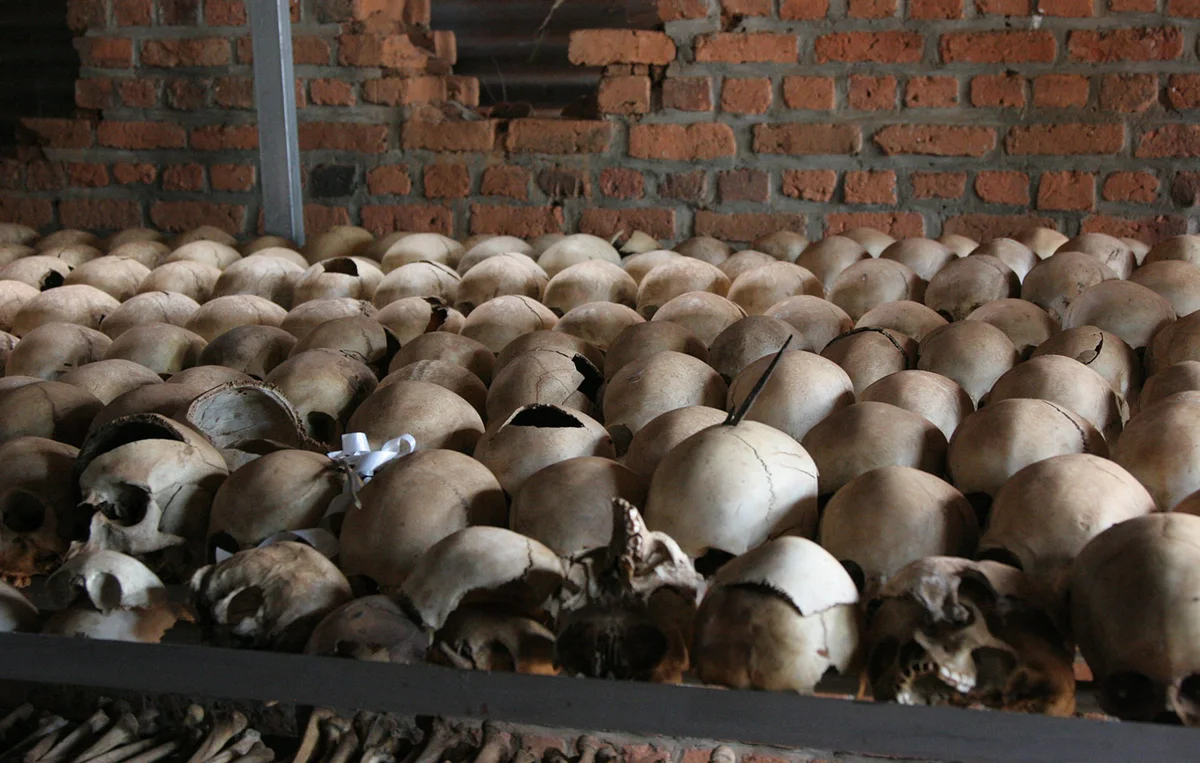
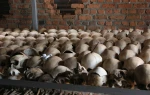
Nyamata Church: Located about thirty minutes from Kigali, this former Catholic church became the site of a massacre where thousands of Tutsis seeking refuge were killed. The building has been preserved largely as it was found, including bloodstained clothing left by victims, offering a raw and unforgettable memorial experience.
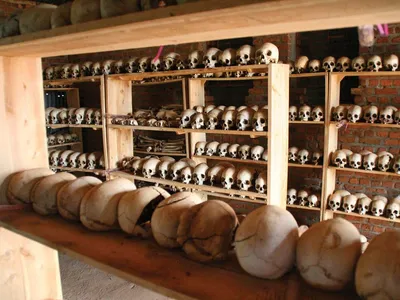
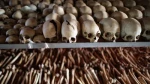
Ntarama Church: Similar in nature to Nyamata, this smaller church memorial preserves belongings, bones, and clothing of victims who were killed while sheltering inside.
Murambi Technical School: Located near Butare in southern Rwanda, this site is considered one of the most harrowing memorials in the country, where preserved remains of victims are displayed as a permanent testimony against denial of the genocide.
Travel companies operating in Rwanda, including tour operators like Xtreme Republic, often incorporate a visit to the Kigali Genocide Memorial as part of broader Rwanda itineraries, allowing travelers to pair gorilla trekking and nature experiences with meaningful historical education.
Commonly Asked Questions About the Rwanda Genocide
- When did the Rwanda Genocide happen ?
The genocide took place between April 7 and mid July 1994, spanning approximately one hundred days.
- How many people died in the Rwanda Genocide?
Estimates range from eight hundred thousand to one million people, most of them ethnic Tutsis.
- What triggered the Rwanda Genocide?
The immediate trigger was the assassination of President Juvenal Habyarimana on April 6, 1994, though the genocide had been planned and organized well before this event by extremist Hutu leaders.
- Who was responsible for the Rwanda Genocide?
Extremist Hutu political and military leaders, along with militia groups such as the Interahamwe, organized and carried out the killings. Ordinary citizens were also mobilized and, in many documented cases, coerced into participating.
- How did the genocide end?
The Rwandan Patriotic Front, a rebel army led by Paul Kagame, defeated government forces and took control of the country in July 1994, ending the genocide.
- Is Rwanda safe to visit today?
Yes. Rwanda is widely regarded as one of the safest countries in Africa for travelers, with low crime rates, strong infrastructure, and a stable government.
- What is the Kigali Genocide Memorial?
It is the primary memorial and burial site in Rwanda, located in Kigali, dedicated to honoring more than a quarter million victims and educating visitors about the history and causes of the genocide.
- Why is it called a genocide and not a civil war?
The killings targeted a specific ethnic group, the Tutsi, for extermination based on identity rather than military or political conflict alone, which meets the legal definition of genocide under international law.
Why Understanding This History Matters for Travelers
Visiting Rwanda is not simply about seeing mountain gorillas or taking scenic photographs of volcanic landscapes, although these experiences are genuinely spectacular. It is also about witnessing one of the greatest examples of national healing and resilience in modern history. Rwandans have chosen unity over division, rebuilding a country that stands today as a symbol of hope rather than despair.
For travelers planning a trip to Rwanda, pairing a visit to the Kigali Genocide Memorial with the natural wonders of Volcanoes National Park creates a deeply meaningful and balanced journey, one that honors the past while celebrating the vibrant, forward looking nation Rwanda has become.
Plan Your Rwanda Journey With Xtreme Republic
At Xtreme Republic, we design thoughtful, well rounded itineraries across Rwanda and East Africa that combine unforgettable wildlife encounters with genuine cultural and historical understanding. Whether you are planning gorilla trekking in Volcanoes National Park, a cultural tour of Kigali, or a full East African adventure, our team can help you build a trip that is both extraordinary and meaningful.
Contact Xtreme Republic today to start planning your Rwanda experience.