
What to know before visiting Serengeti National Park
Serengeti National Park is the defining icon of African safari, an endless sea of golden grassland in northern Tanzania where the Great Migration moves in one of nature's greatest spectacles across plains that seem to stretch forever. More than two million wildebeest, zebra, and gazelle circle this ecosystem annually, pursued by lion, cheetah, and crocodiles at river crossings that have become legendary among wildlife photographers worldwide. The Seronera Valley offers year round predator viewing, while the Western Corridor and Grumeti River host dramatic crossings from May to July when herds brave crocodile infested waters. From December to March, the southern plains explode with calving season, drawing cheetah and hyena to vulnerable newborn herds across short grass shimmering green after rains. Kopjes, ancient granite outcrops, provide lookout points for lion and habitat for klipspringer and rock hyrax sunning on warm stone. Balloon safaris at dawn reveal the scale of this landscape from above, and luxury lodges and mobile camps place you at the heart of the action throughout the migration cycle. The Maasai word Serengeti means endless plains, and the horizon confirms it at every turn of the track. As the centrepiece of Tanzania's northern circuit alongside Ngorongoro and Tarangire, the Serengeti delivers the wildlife drama, photographic opportunities, and soul stirring wilderness that define the safari dream for travellers worldwide. Seasoned guides read the migration's rhythm, positioning your camp where herds gather and predators hunt across plains that have shaped safari dreams for generations.
Location Map
Hotels, tours and the main destination on the map.
Most Popular Tour
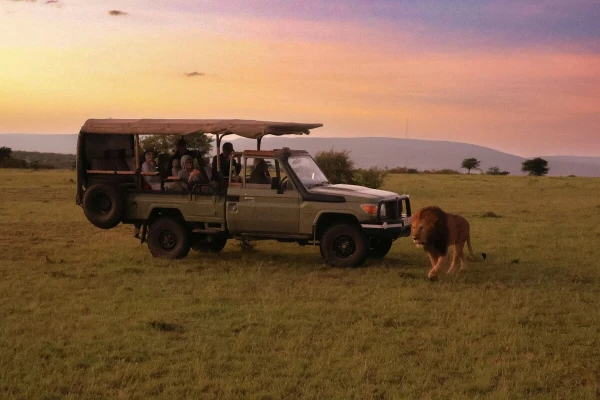
7 Days Northern Tanzania Classic Group Safari
Your Travel Journey Starts Here