Why Lions Look Right Through You: The Strange Safety of the Safari Vehicle
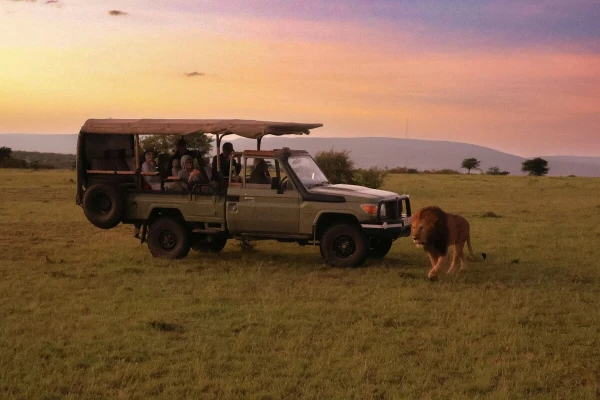
The first time a lion strolled within arm's reach of our open-sided Land Cruiser in the Maasai Mara, I froze. My guide didn't even lower his binoculars. "She doesn't see you," he said. "She sees the car."
That single sentence explains one of the safari world's most reassuring mysteries: why predators that could easily kill a human simply ignore vehicles full of them.
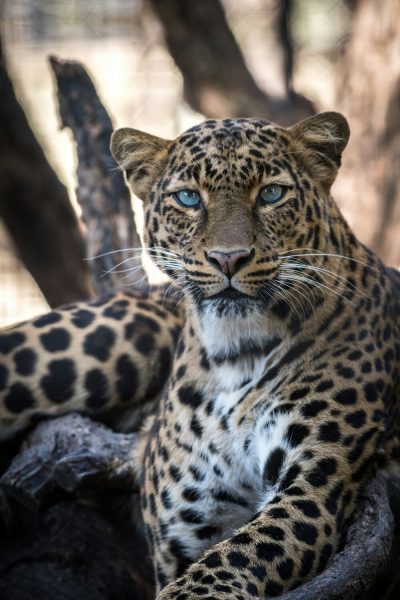
The vehicle becomes one large, strange animal. Lions, leopards, and hyenas hunt by recognizing familiar shapes and behaviors — the silhouette of a zebra, the gait of a wildebeest. A jeep with six people inside doesn't match any prey profile in their mental library. It's too big, too oddly shaped, and it doesn't move, smell, or sound like anything worth chasing. As long as everyone stays seated and the outline of the vehicle stays intact, predators register it as one large, uninteresting, non-prey object — not six individual meals.
Consistency breeds indifference. Decades of respectful tourism have taught animals in well-visited reserves that vehicles come, watch, and leave without ever posing a threat. This isn't domestication; it's habituation. The animals haven't decided humans are friends — they've simply learned that jeeps are irrelevant to their survival calculus.
Break the shape, break the spell. This is exactly why guides insist you never stand up, dangle a limb outside, or climb out for a photo. The moment a human silhouette separates from the vehicle, you stop being part of the "strange object" and become, unmistakably, a person — soft, slow, and very much on the menu.
So the next time you're inches from a snoozing lioness, remember: it's not bravery keeping you safe. It's biology, patience, and a very good reason to keep your arms inside the vehicle.