Kenya's Finest National Parks and Reserves: A Complete Guide to the Wild Heart of East Africa
Kenya carries a reputation earned over more than a century of conservation, exploration, and unforgettable encounters between people and wildlife. From the endless grass plains of the south to the volcanic ridges of the Rift Valley and the desert wilderness of the north, the country protects an extraordinary range of habitats within its parks and reserves. Choosing where to go can feel overwhelming, so here is a closer look at the destinations that define the Kenyan safari experience, when to visit them, and what makes each one unforgettable.
Masai Mara National Reserve
No account of Kenyan wildlife begins anywhere else. The Masai Mara sits in the far southwest of the country, an extension of Tanzania's Serengeti ecosystem, and it hosts the single greatest wildlife spectacle on the planet. Between July and October, more than a million wildebeest, alongside hundreds of thousands of zebra and gazelle, cross the crocodile filled Mara River in search of fresh grazing. The sight of these herds thundering through the water while predators lie in wait has become the defining image of African safari.
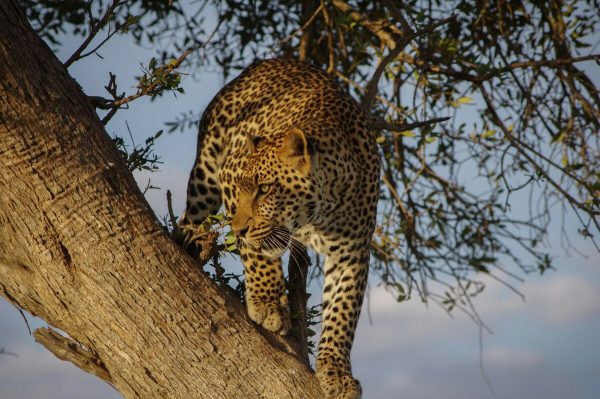
Yet the Mara delivers exceptional wildlife viewing throughout the year, not only during the migration months. Its rolling savannah supports dense populations of lion, leopard, and cheetah, and sightings of all three cats in a single game drive are common. The reserve is community owned in many of its surrounding conservancies, which means visitors can combine classic reserve drives with night drives, walking safaris, and cultural visits to Maasai villages that are not permitted inside the core reserve itself. For travelers who want the widest variety of experiences alongside guaranteed big cat encounters, the Mara remains unrivaled.
Amboseli National Park
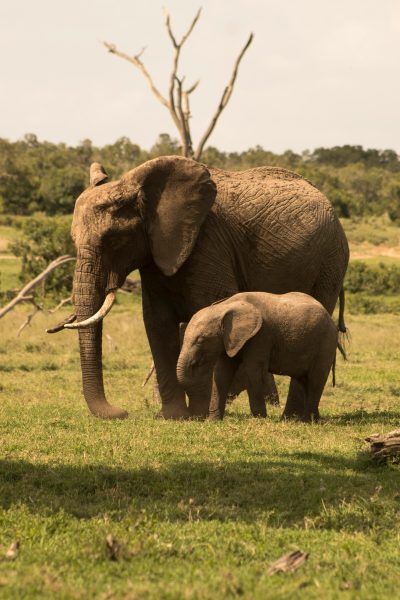
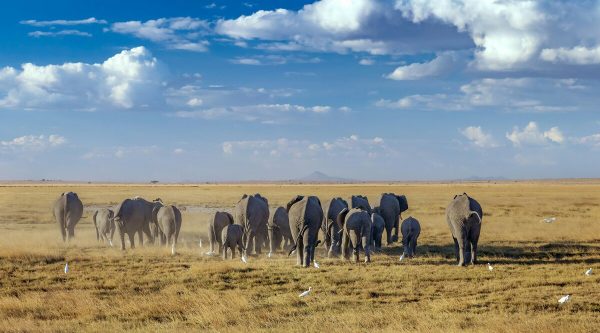
Amboseli offers something no other Kenyan park can claim with quite the same drama, the sight of free roaming elephant herds moving across open plains with the snow capped peak of Mount Kilimanjaro rising behind them. The park is relatively compact, which concentrates wildlife around its swamps and makes game viewing efficient and rewarding even on a short visit.
The elephants here are part of one of the most studied populations in the world, with individual animals tracked for decades by researchers, and many bulls carry tusks of a size rarely seen elsewhere in Africa today. Beyond elephants, Amboseli supports buffalo, giraffe, hippo, and healthy numbers of lion and cheetah that hunt across its dry lake bed. The clearest views of Kilimanjaro tend to come in the early morning during the dry months of June through October and January through February, before afternoon cloud builds around the mountain. Photographers in particular treat Amboseli as essential, since few backdrops in Africa rival an elephant herd silhouetted against Africa's tallest peak.
Tsavo East and Tsavo West National Parks
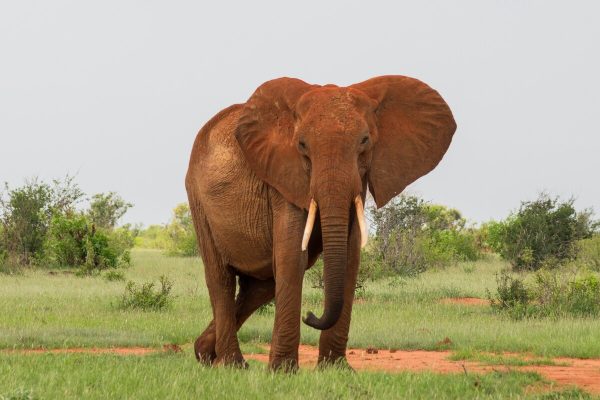
Together the two Tsavo parks form one of the largest protected wildlife areas on earth, a vast wilderness of red earth, baobab trees, and volcanic rock that stretches across southeastern Kenya. Tsavo East is known for its open plains and its famous red elephants, so named because they coat themselves in the park's distinctive rust colored dust. The Galana River cuts through the landscape and draws wildlife throughout the dry season, while Lugard Falls offers a striking break in the otherwise flat terrain.
Tsavo West presents a different character entirely, with rugged hills, ancient lava flows, and the crystal clear waters of Mzima Springs, where hippos and crocodiles can be observed underwater through a submerged viewing chamber. Rhino Valley Sanctuary within Tsavo West protects both black and white rhino in a fenced but expansive habitat. Both parks reward visitors year round, though the dry seasons from June through October and January through March bring animals closer to permanent water sources and improve overall visibility. Tsavo suits travelers seeking space, solitude, and a sense of true wilderness away from the vehicle density found in more popular reserves.
Lake Nakuru National Park
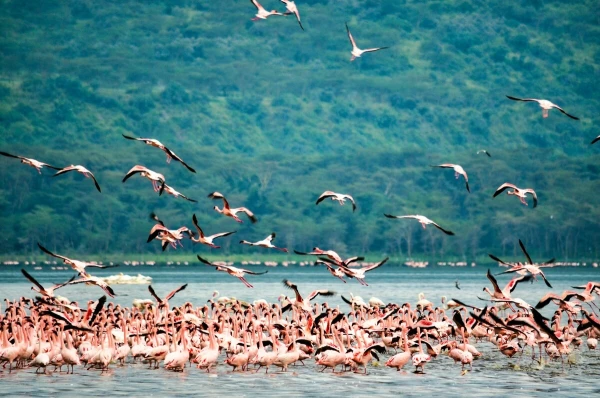
Lake Nakuru occupies a unique place among Kenya's protected areas because it combines a soda lake ecosystem with dense woodland and grassland within a compact, fully fenced sanctuary. The park became famous for its flamingo populations, and although numbers fluctuate with water levels, the lake still draws impressive concentrations of both greater and lesser flamingos alongside pelicans and other waterbirds.
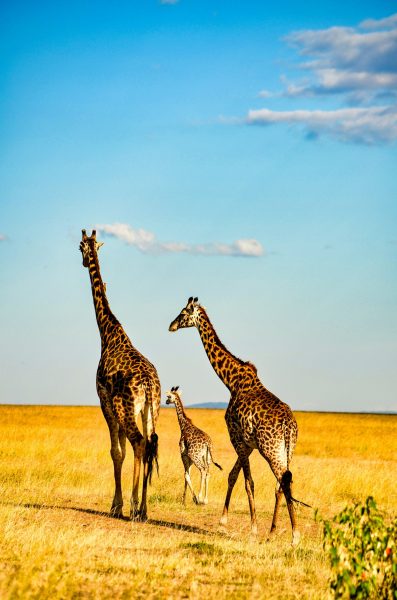
Nakuru also functions as one of Kenya's most important rhino sanctuaries, protecting significant numbers of both black and white rhino within its secure boundaries, which makes sightings considerably more reliable than in open ecosystems. Rothschild's giraffe, another species under focused conservation attention, thrives here as well. Because the park sits close to Nairobi, it works well as an accessible introduction to Kenyan wildlife or as an efficient addition to a broader itinerary. Visits are rewarding throughout the year, though the dry months offer the clearest lake views and easiest wildlife tracking.
Samburu, Buffalo Springs, and Shaba National Reserves
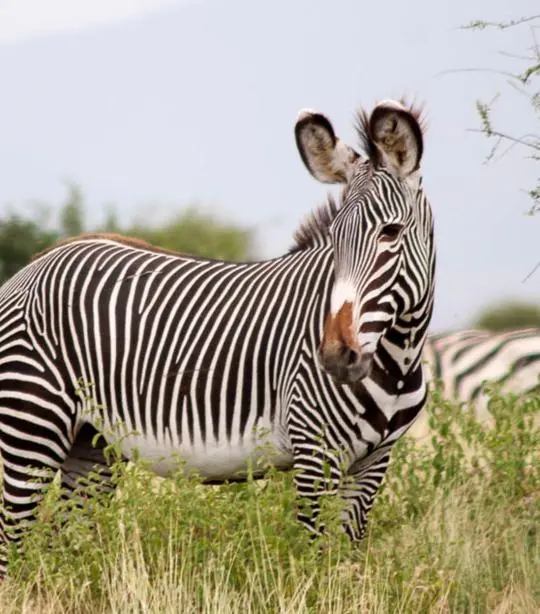
North of the equator, the landscape shifts into arid scrubland along the Ewaso Nyiro River, and with it comes a set of species found nowhere else in Kenya's southern circuit. Samburu and its neighboring reserves protect the so called Special Five, the reticulated giraffe, Grevy's zebra, Somali ostrich, gerenuk, and beisa oryx, all adapted to this drier northern environment. The riverine forest along the Ewaso Nyiro provides a lifeline for elephant, lion, and leopard, concentrating wildlife along its banks in ways that make tracking predators genuinely exciting.
Samburu also carries deep cultural significance, home to the Samburu people whose traditions and dress closely resemble those of the Maasai further south. The dry season from June through October offers the strongest game viewing as animals gather near the river, while the relative remoteness of the region means far fewer vehicles than the southern parks, appealing to travelers who want an authentic and less crowded safari.
Aberdare and Mount Kenya National Parks
For a different kind of Kenyan wilderness entirely, the highland forests of the Aberdares and Mount Kenya offer cool climates, dense montane vegetation, and species adapted to altitude. The Aberdares are known for their tree hotels, lodges built on stilts or platforms overlooking waterholes, where guests can watch elephant, buffalo, and even the elusive bongo antelope arrive after dark under floodlight. Mount Kenya, Africa's second highest peak, draws hikers and climbers in addition to wildlife enthusiasts, with its lower slopes home to elephant, buffalo, and colobus monkey.
These parks are best visited during the drier months of January through February and July through September, when trails are more passable and mountain views are clearer. They pair naturally with lowland safari circuits, giving travelers a genuine sense of Kenya's ecological range within a single trip.
Planning the Right Itinerary
The truth about Kenya's parks is that each protects a distinct ecosystem with its own rhythm, wildlife, and atmosphere, and the strongest itineraries combine two or three destinations rather than settling for one. A journey might pair the drama of the Mara migration with the elephant herds of Amboseli, or combine the rugged wilderness of Tsavo with the flamingo lake at Nakuru. Timing matters, and the dry seasons from late June through October and again from January through February generally offer the most reliable wildlife viewing across the country, though Kenya rewards visitors in every month for those willing to work with its seasons rather than against them.