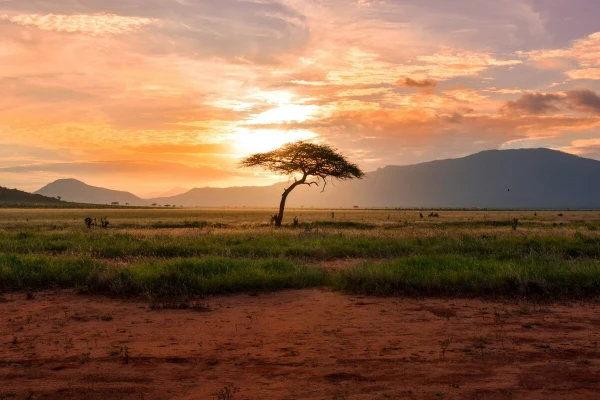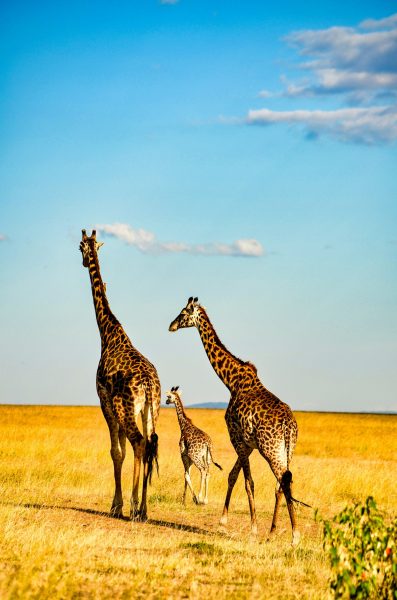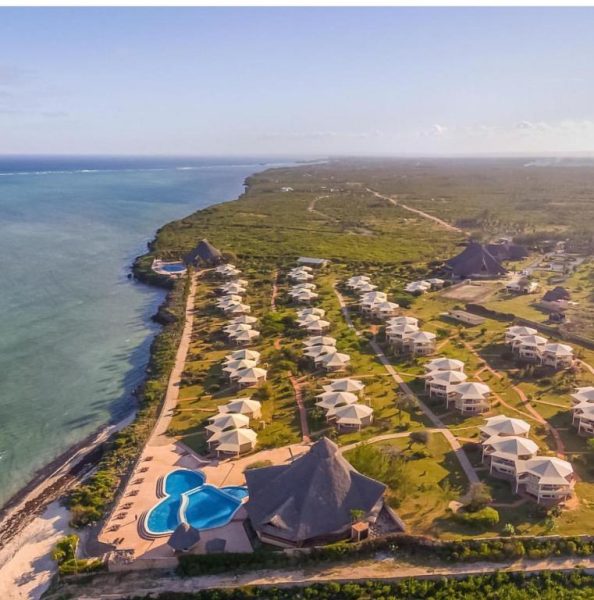
I keep coming back to the same image when I think about this place. Dusk over the Mara, engines cut, and nothing left but wind moving through grass. That is the silence Ritz Carlton chose to build a camp inside of, and honestly, when the property opened in 2025, a lot of us in this industry watched with folded arms wondering if a global brand could pull off something this delicate without flattening it.
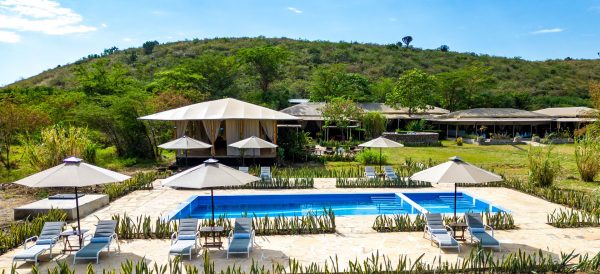
The camp sits on the banks of the Sand River, right inside the Masai Mara National Reserve, looking out over a wildlife corridor that barely sleeps and turns absolutely electric when the wildebeest and zebra come through during the Great Migration. Twenty tented suites tucked into the canopy, all the polish you would expect from a Ritz Carlton address, dropped into raw savannah. You do not just walk in either. Guests cross a rope bridge over the river to reach the main lodge, and that single detail does more work than any welcome drink ever could. By the time your feet touch the other side, you already feel like you have left one world for another, where five star finish meets untamed wild and somehow neither one has to compromise.
What struck me most is how the days are structured. Not as an itinerary, more like a ritual you fall into. Game drives at dawn and dusk in open Land Cruisers, breakfast served out in the bush, sundowners with nothing but horizon around you, then fireside cocktails or dinner under a sky that does not know what light pollution is. Back at your suite, a private plunge pool and a deck wide enough to keep the savannah in view at all times. And at the very top end, the numbers get a little ridiculous for what is technically still a tented camp. The Two Bedroom Presidential Suite runs 617 square meters, complete with its own pantry, a sunken lounge, a plunge pool with views drifting toward the Serengeti, a dedicated butler, and private game drives built into the stay.
But the part that actually won me over was not the square footage. It was the intent underneath it. There is a Map Room where resident experts walk you through historical maps and expedition journals, turning the landscape into something you understand rather than just admire. Cultural experiences are not an afterthought either, village visits, bead making workshops, a nightly Call to Dusk ritual that roots the whole stay in Maasai tradition instead of treating it as scenery. Even the spa leans local, opening every treatment with a water blessing and a mineral rich foot soak drawn from practices that belong to this land, not imported from somewhere else.
General Manager Justin Landry has a name for the philosophy behind all of it. He calls it Essence Feel, and when he described it to Forbes as the moment land, culture, wildlife and emotion converge and the noise just falls away, I half expected it to read as brochure talk. It does not. Walk the property and you can feel that idea holding the whole design together, from where each suite sits among the trees to how quietly the architecture steps back and lets the wilderness lead.
So here is the verdict, this far into its first full year. Early guest reviews are leaning hard toward the extraordinary, and not in the generic five star way. People talk about camp managers who reached out personally before they even landed in Kenya, guides whose read on the wildlife turned an ordinary drive into something they left in tears over. That kind of consistency in what guests are saying, this early into a property's life, is genuinely rare. The review count has not caught up to the older Mara names yet, that will take time, but the tone of what is being said points toward a camp settling comfortably into its own promise rather than scrambling to live up to it.
And there is a bigger story here for Kenya's luxury safari market. A brand like Ritz Carlton choosing the Mara for its top tier, not some watered down mid market offering, tells you something about where this destination sits on the global map now. It raises the bar for everyone in this space, us included. Whether this camp becomes the new reference point for what East African luxury should feel like is something only a full migration season or two will really prove. But on early form, that silence it was built inside of has found exactly the address it deserves.