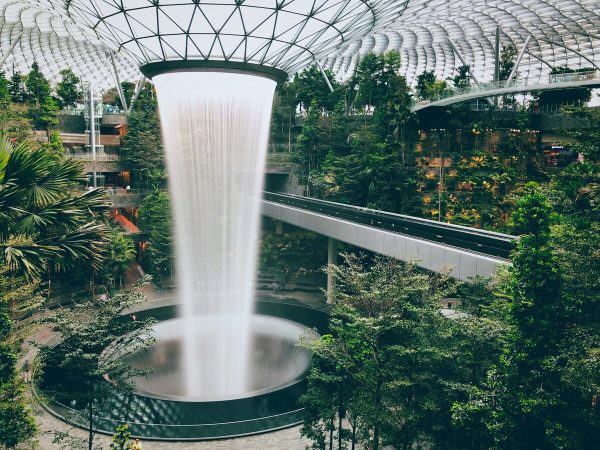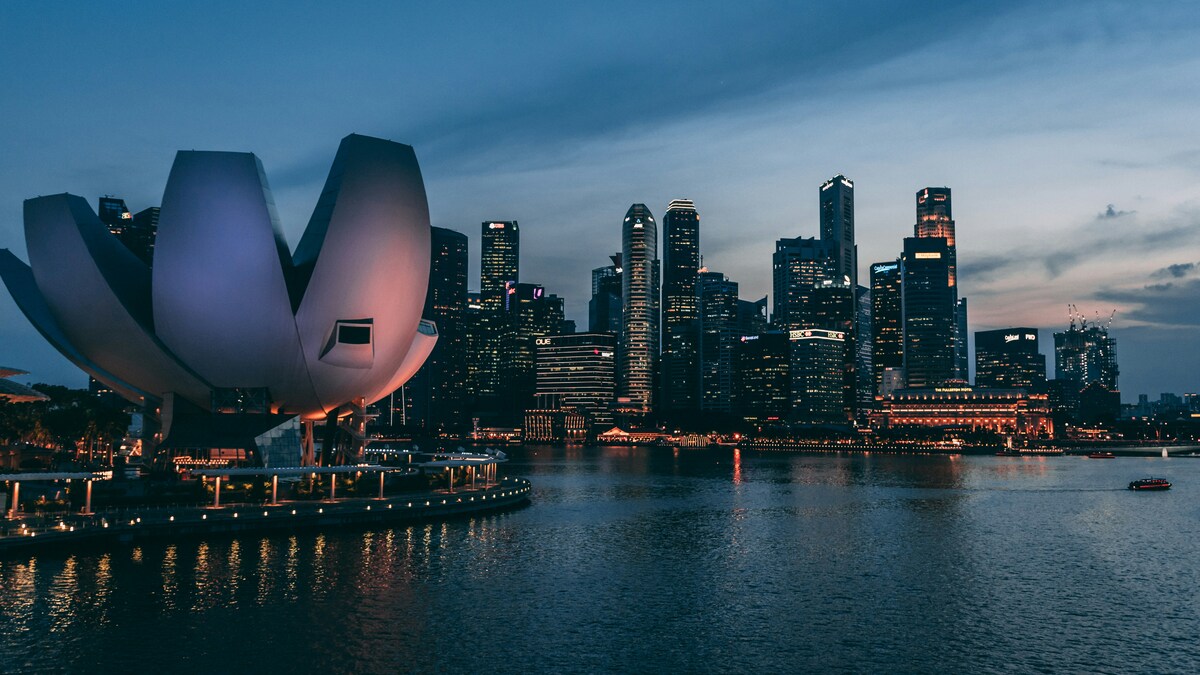

Singapore has a way of surprising travellers who expect nothing more than a stopover city between longer holidays elsewhere. What greets them instead is a destination that manages to be a rainforest, a food capital, a design showcase, and one of the most efficiently run cities on earth, all packed into an island you can cross by train in under an hour. Whether you have four days or two weeks, Singapore rewards curiosity, and the best way to understand it is simply to start walking.
Marina Bay and the Skyline That Defines the City
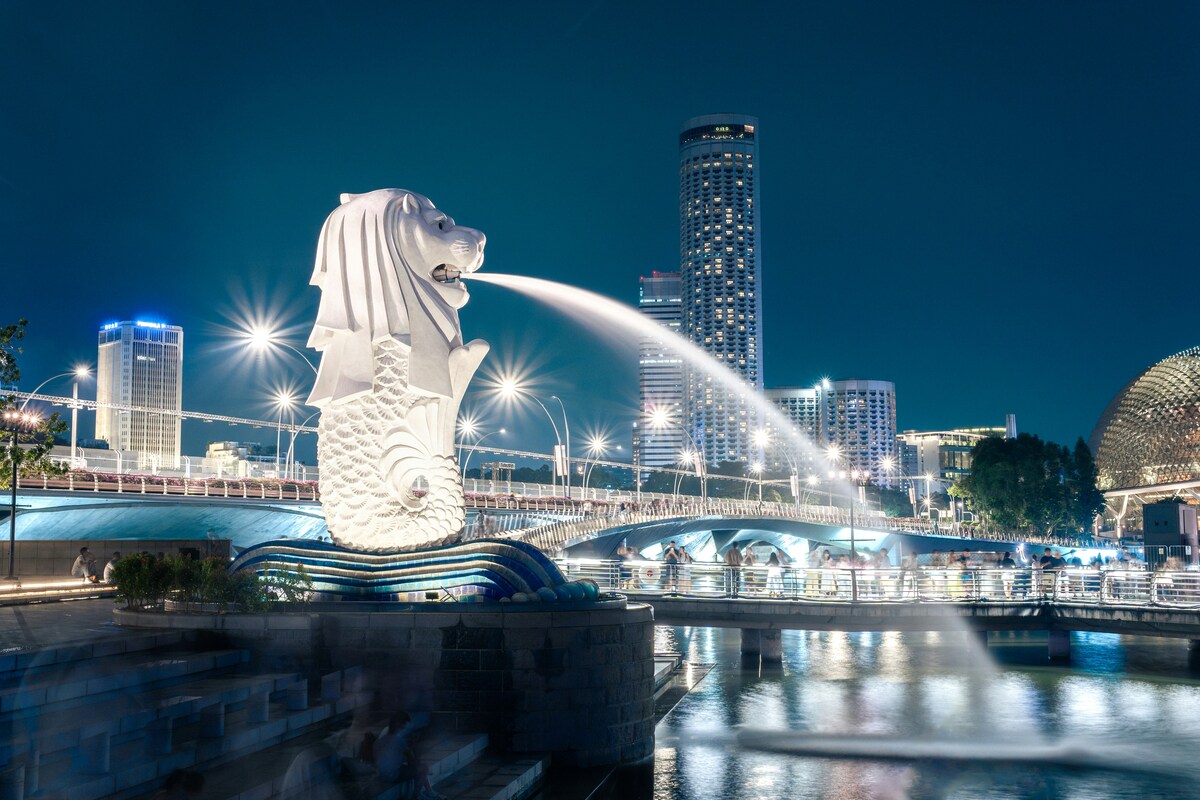
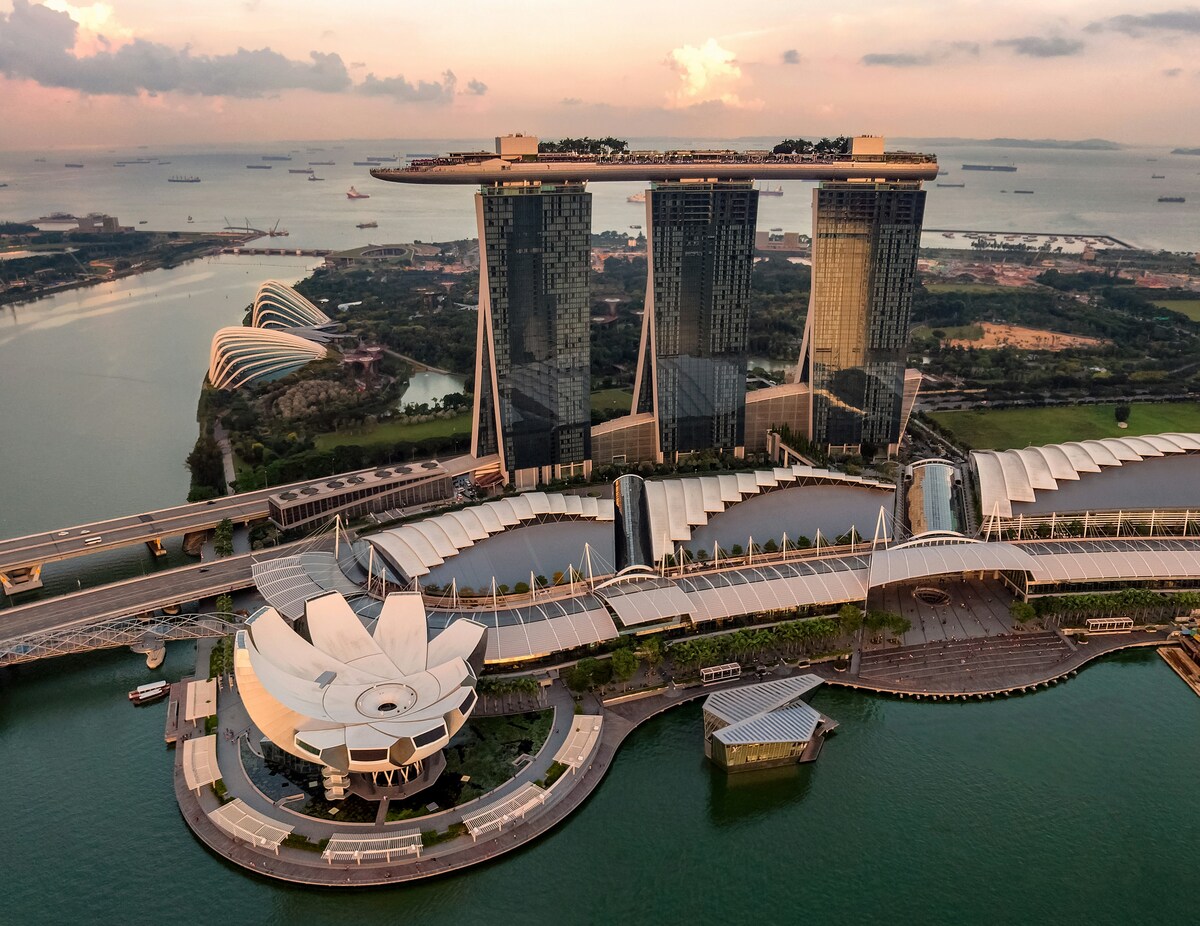
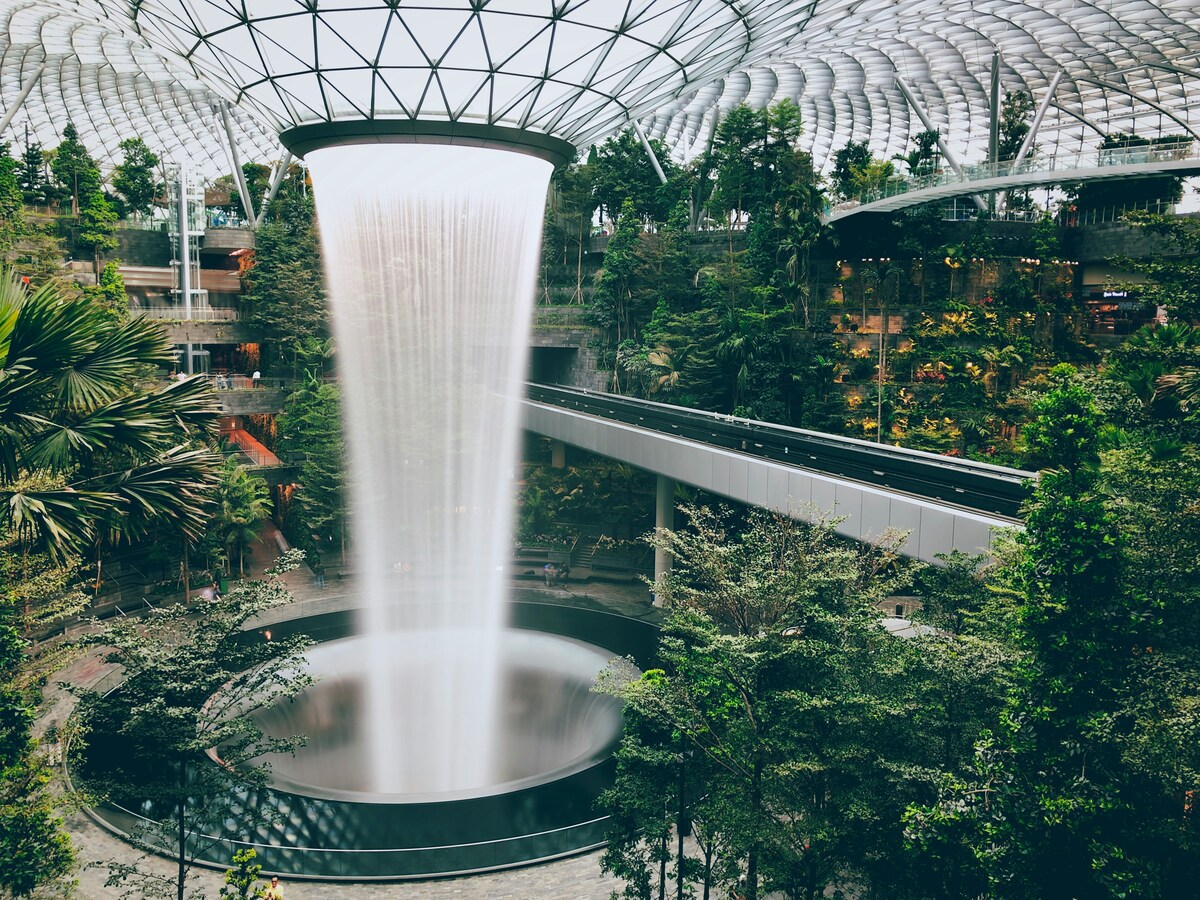
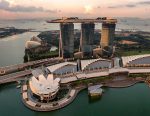
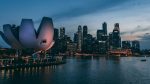
Most journeys through Singapore begin at Marina Bay, where the three towers of Marina Bay Sands rise above the water and the Merlion sends its steady jet of water into the harbour below. The observation deck at the top of the Sands offers the clearest introduction to the city's layout, with the financial district on one side and Gardens by the Bay spreading out on the other. Those gardens deserve an afternoon of their own. The Cloud Forest recreates a misty mountain ecosystem inside a climate controlled dome, the Flower Dome shifts its displays with the seasons, and the Supertree Grove lights up after dark in a show that has become one of the city's signature evening experiences.
Sentosa Island for a Change of Pace
A short cable car ride or a walk across the boardwalk brings you to Sentosa, an island built almost entirely around leisure. Universal Studios Singapore anchors the resort with rides drawn from familiar film franchises, while quieter corners of the island offer beach clubs, a cable car route with harbour views, and the nightly Wings of Time show where light, water, and fire combine along the shoreline. Families tend to spend a full day here, though solo travellers and couples often find an afternoon is enough before heading back to the mainland for dinner.
Culture Through the Old Quarters
Beyond the modern skyline, Singapore's older districts tell a different story. Chinatown moves at its own rhythm, with temple incense drifting between shophouses that now hold cafes and tailors side by side. Little India brings colour and spice to its own stretch of streets, especially lively in the evenings when the markets fill up. Kampong Glam, home to the golden dome of the Sultan Mosque, has become a haven for independent boutiques and coffee roasters tucked into restored shopfronts. Walking through these three neighbourhoods in a single day gives visitors a far more complete sense of Singapore than the skyline alone ever could.
Wildlife and Nature Within City Limits
Few cities pair urban density with as much accessible nature as Singapore does. The Singapore Zoo and its adjoining Night Safari let visitors observe animals from across Asia and Africa, with the after dark tram tour offering a genuinely different experience from a standard zoo visit. The Singapore Oceanarium continues that theme underwater, tracing marine life from Southeast Asian reefs, and further out, the Southern Ridges walking trails and MacRitchie Reservoir offer a forested escape that feels far removed from the towers just a few kilometres away.
Eating Like a Local
No account of Singapore is complete without its food, and the place to experience it properly is a hawker centre rather than a hotel restaurant. Maxwell Food Centre and Lau Pa Sat are two of the more accessible starting points, where dishes such as Hainanese chicken rice, chilli crab, laksa, and satay are served at prices that rarely climb above a few dollars. Eating this way is not a budget compromise in Singapore, it is simply how the city eats, and some of its hawker stalls have earned recognition on international dining lists.
Rules and Etiquette Every Visitor Should Know
Singapore's reputation for order is well earned, and understanding a few of its rules in advance makes for a smoother visit. Littering carries real fines and is enforced consistently, as does jaywalking across roads rather than using designated crossings. Chewing gum cannot be brought into the country for sale or import, and the laws around drugs are among the strictest in the world, with severe penalties applied without exception. Smoking is restricted to designated areas across most public spaces, and vaping is banned outright. Public transport runs on a clear code of courtesy, with priority seating reserved for those who need it and eating discouraged on trains and buses. None of this makes Singapore feel restrictive in practice, since the rules exist quietly in the background of a city that functions with unusual precision, and most visitors find they barely notice them beyond a general sense that everything simply works the way it should.
Singapore is a destination that rewards a few days of unhurried exploring far more than a rushed itinerary ever could. Between its gardens, its old quarters, its food stalls, and its skyline, the city offers enough variety to fill a week without ever feeling repetitive, and few places manage to balance modern ambition with everyday liveability quite as well.